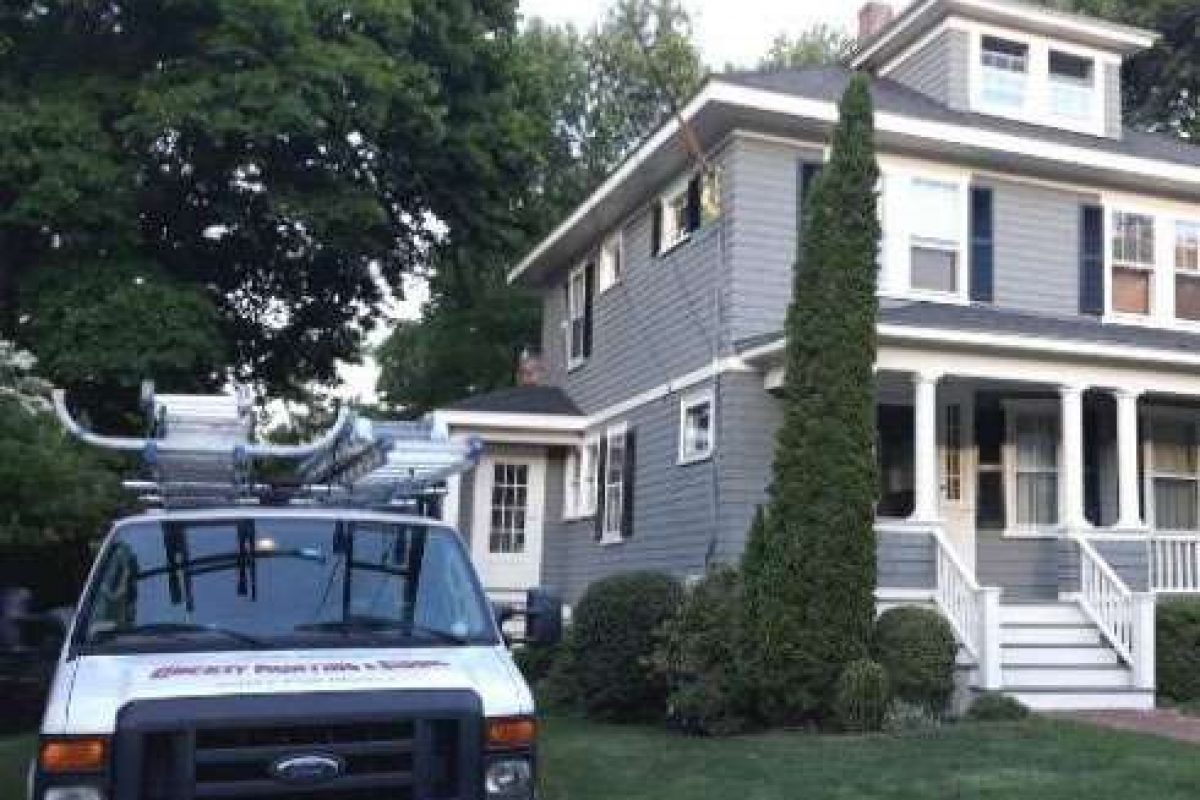
Is the exterior of your home showing its age? Siding is more than just an aesthetic feature; it’s your home’s primary shield against the elements. Over time, this crucial layer can wear down, signaling that it’s time to consider a replacement or professional repairs. Knowing the tell-tale signs of deteriorating siding is the first step in maintaining your home’s structural integrity and curb appeal.
Let’s explore the signs that your home’s siding may need repairs or replacement this spring.
Age & Lifecycle of Current Siding
Depending on the quality of materials, the professional level of installation and climate conditions, siding can last years or decades. Brick, metal and fiber cement are considered the most durable materials and last for decades. Vinyl siding is expected to last about 20-40 years and resists moisture, but it can be problematic in extreme weather conditions. Wood siding can be a strong choice, as it provides a classic look and lasts for over 20 plus years when properly maintained with painting and repairs.
If your siding is nearing the end of its lifecycle, it may be time to consider replacement, especially if it shows visible signs of wear. Contact us today to explore your options.
 High Energy Bills
One of the main functions of exterior siding is to provide insulation that keeps the home warm in winter and cool in summer. If siding is beginning to fail, whether through physical damage like cracks, leaks or warping, or even mold damage, homeowners may notice their utility or HVAC bills increasing more than their neighbors’.
Keep an eye on heating and air conditioning bills, as they may indicate it is time for new siding on your home.
Signs of Physical Damage
Physical damage to siding can take many forms, including warping, cracking, wildlife-caused holes, or loose panels or boards that need repair or replacement. Factors like strong winds, wildlife, and the elements can cause damage, and the siding should be watched carefully for signs that it is nearing its limit.
Additionally, hidden signs of damage in your home, such as dry rot or interior wall damage, may indicate that the siding is allowing moisture to enter. This infiltration of water can lead to further serious problems in the home’s interior.
 Signs of Mold & Mildew
Mold and mildew on either the interior or exterior of a home indicate that the siding may not be doing a good job of keeping the moisture out of your home. While some algae and mildew are normal, especially in New England, mold in the seams and cracks indicates a moisture barrier issue that should be repaired or replaced.
Fading & Discolorization
As with anything exposed to direct sunlight for extended periods, it will eventually fade. But if your siding is severely faded or sun-damaged, it may be nearing the end of its life.
Pest Damage
Wood siding is especially vulnerable to insect and pest infestations, as well as to wildlife such as woodpeckers. If your siding shows signs of damage, such as holes, gnaw marks or mud tubes (left by termites), then it may be time to consider replacing your home’s exterior siding.
Don’t let aging siding compromise your home’s safety and value. From increased energy bills and physical damage like cracks and warping, to hidden pest infestations, these signs are clear indicators that your home’s primary shield is failing.
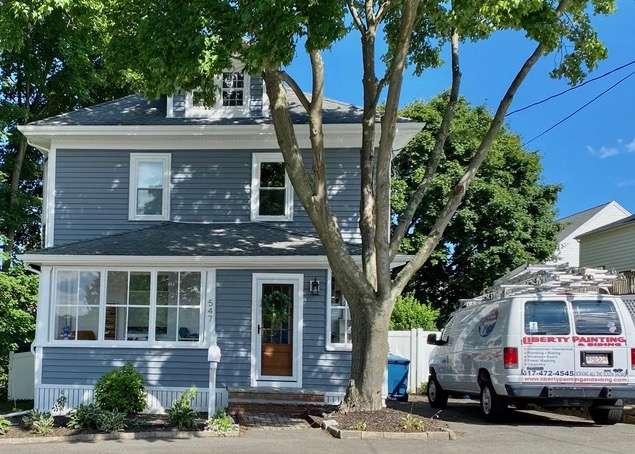
When the time comes to protect your investment with a professional siding replacement, trust the experienced team at Liberty Painting & Siding. Contact us today for a consultation and ensure your home is ready to face the elements with a beautiful, durable new exterior.